Some children can name a horse breed before they can spell it. They notice the feathered legs of a Clydesdale, the refined profile of an Arabian, or the sturdy build of a working horse—and they want to know why each one looks different.
A horse coloring book can turn that curiosity into a relaxed creative project. The Horse Coloring Book pairs realistic line art with short breed facts, so young horse fans can read about a breed and then make deliberate choices about its coat, mane, markings, and surroundings. The result is part art session, part horse discovery.
This guide shows how to get more from those pages, from choosing believable coat colors to setting up a weekly horse-breed activity.
TIP
Start lighter than the final color: Build a horse coat with two or three light pencil layers. Following the direction of the body and mane makes the texture feel more like hair, while leaving a narrow highlight along the back or shoulder gives the horse shape.
Why horse coloring holds attention
Horses reward careful looking. A child has to notice where the mane overlaps the neck, how the legs bend, which areas sit in shadow, and how a blaze or sock changes the look of the animal. That observation gives the page a clear purpose without turning it into a lesson or test.
The book's breed-and-art format supports several kinds of activity:
- Reading with a reason: A short fact page gives context before the coloring begins.
- New vocabulary: Words connected with breeds, markings, movement, and habitat arise naturally in conversation.
- Creative decisions: Children can choose a realistic coat, invent a fantasy horse, or try both on different pages.
- Sustained quiet work: Detailed line art invites slower coloring and makes it easy to pause and return later.
- Shared interests: Riders, horse-loving relatives, and children can talk about what makes each breed distinctive.
The 8.5 × 11-inch format gives the illustrations room for detail. The 100-page paperback also uses single-sided coloring pages, which is helpful for displaying a finished piece and for keeping the reverse of the artwork clear.
NOTE
Using markers? Put a spare sheet of paper behind the page. Single-sided printing protects the next illustration from being printed on the back, but wet markers can still soak through the paper.
A simple way to explore each breed
Instead of starting with “What color should this be?”, try a four-part routine. It works well for a short after-school activity, homeschool animal study, or a quiet weekend session.
- Read the breed card together. Look for one detail about origin, appearance, temperament, or traditional work.
- Study the line art. Find the mane, tail, hooves, facial markings, and the largest areas of light and shadow.
- Choose a palette. Pick one main coat color, one darker shade, one lighter shade, and two or three colors for the setting.
- Add one remembered detail. When the page is finished, ask the child to share one fact or observation about the breed.
There is no need to complete a page in one sitting. Coloring the horse first and saving the landscape for another day can make a detailed illustration feel much more manageable.
Horse coat palettes to try
Realistic does not have to mean complicated. A small palette can create plenty of depth.
| Coat idea | Base colors | Shadow color | Details to notice |
|---|---|---|---|
| Chestnut or sorrel | Ochre, amber, warm brown | Burnt sienna | Mane and tail may be similar, lighter, or darker |
| Bay | Warm reddish brown | Deep brown | Black points on the lower legs, mane, tail, and ear edges |
| Black | Charcoal and soft black | Blue-gray or deep violet | Preserve highlights so the coat does not become one flat shape |
| Gray | Cool gray and warm gray | Slate gray | Build the coat softly; add darker knees, muzzle, or dapples if desired |
| Palomino-inspired | Pale gold and honey | Golden brown | Keep the mane and tail cream or very light yellow |
| Pinto-inspired | White plus any coat color | A darker version of the coat | Plan the large patches before filling the smaller details |
These are creative starting points rather than rules. Coat colors vary, and younger artists may have more fun giving a Mustang a midnight-blue mane or a Clydesdale a rainbow forelock. A second page can always become the “field guide” version.
How to shade a horse without muddying the page
Horse illustrations often contain more anatomy than a bold-and-easy coloring page. A few simple habits keep the result clear:
- Follow the form. Curve pencil strokes around the neck, shoulder, barrel, and hindquarters instead of coloring every area in the same direction.
- Save the light. Leave the center of the back, nose, or upper shoulder a little paler before deepening shadows.
- Darken the joins. A soft shadow where the legs meet the body, beneath the mane, and under the belly creates depth.
- Separate similar browns. If the horse and fence are both brown, make one warm and one cool, or outline one with a darker pencil.
- Texture the mane last. Lay down a light base, then add a handful of darker, tapered strands. Filling every strand equally can make it look stiff.
Colored pencils offer the most control for layering. Crayons make a strong, cheerful choice for younger artists, while gel pens are best saved for small accents. If using alcohol markers, test them on a less important area and always add a protective sheet underneath.
Breed spotlight: the Mustang
The Mustang spread is a good example of how fact and illustration can work together. The breed page introduces the horse's connection with the American West and traits associated with life across demanding terrain. The facing artwork then gives the reader visual clues to explore: an alert stance, a windswept mane, fencing, and an open landscape.
Try asking questions that do not have one correct answer:
- Which colors would make the landscape feel hot and dry?
- Where would sunlight touch the horse first?
- Should the mane blend into the coat or stand out from it?
- What do the horse's ears and posture suggest about the moment?
Questions like these keep the child in charge of the picture while encouraging close observation and storytelling.
Four ways to use finished pages
A finished horse page does not have to disappear back into the book.
- Create a breed gallery: Display one new horse each week with a handwritten name card and favorite fact.
- Make a color study: Photograph the page, then color a second copy or another horse with a completely different palette.
- Start a stable story: Give each finished horse a name, home, and personality, then write a short adventure.
- Share a calm coloring session: An adult can read the fact card or sketch a palette while the child colors. This works especially well for a horse-themed birthday, rainy afternoon, or post-riding wind-down.
For classroom or homeschool use, a simple “notice, color, tell” worksheet can extend the activity: notice three physical details, color the illustration, and tell one fact in the child's own words.
Find your next horse coloring project
The Horse Coloring Book includes 100 pages of horse illustrations and educational breed content in a large-format paperback. It is designed for horse lovers who enjoy detailed coloring as much as learning what makes each breed distinctive. Buy the Horse Coloring Book on Amazon.
You can also browse the Animal Coloring series for more creature-focused art or download free printable coloring pages for an easy activity to start today.
More Coloring to Explore
Browse related coloring books or download free sample pages to try new supplies.
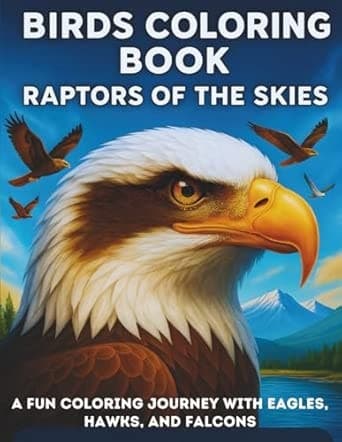
Birds Coloring Book
Raptors of the Skies: A Fun Coloring Journey with Eagles, Hawks, and Falcons
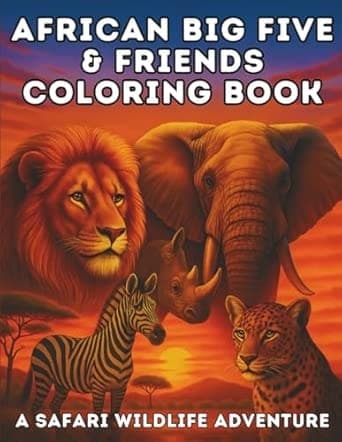
African Big Five & Friends - A Safari Wildlife Coloring Book
Color Elephants, Lions, Zebras, and More - Discover Africa's Iconic Safari Animals
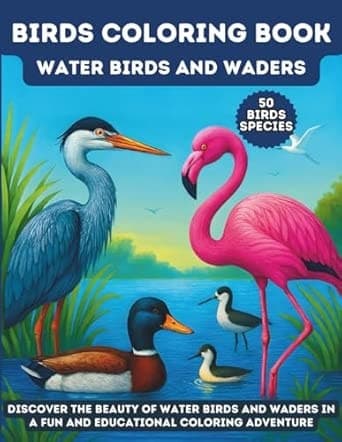
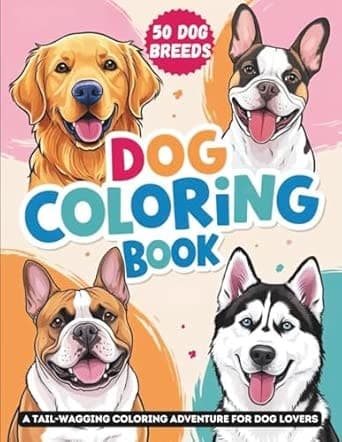
Dogs Coloring Book for Kids, Teens, and Adults
50 Popular Breeds for a Relaxing and Stress Free Coloring Adventure